
read time: 4 minutes
Today at a Glance
- Wild Health Facts You Can't Ignore
- Anxiety and stress are good things
- Absurd Health Practices We Thought Were Smart
Wild Things You Can't Ignore
- Many doctors now argue that slow-growing prostate cancers should not be called "cancer" to avoid unnecessary fear and over treatment. Similar reclassifications have happened with certain thyroid, cervical, and bladder cancers to prevent undue worry over low-risk diseases.
- Humana, a health insurance provider with a focus on Medicare plans, disclosed significant losses in the fourth quarter of 2023. The company pointed to unexpectedly high medical expenses and forecasted continued challenges. With seniors in its plans utilizing more healthcare services than predicted, Humana indicated that the sector might have to increase premiums or reduce benefits to improve financial performance in the coming years.
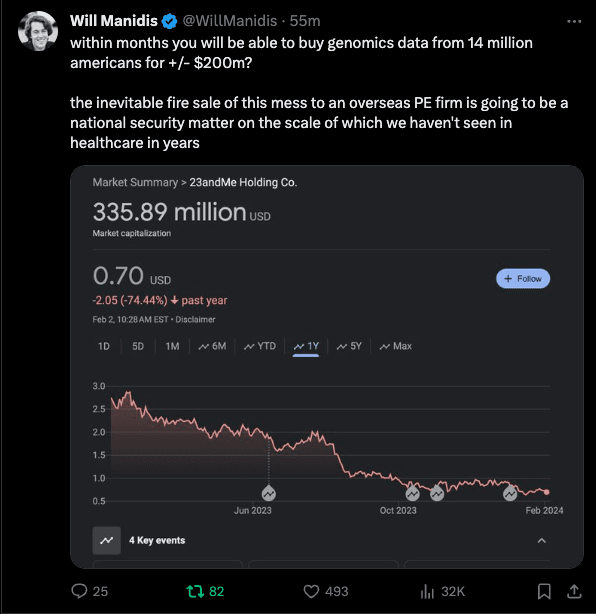
- 23andMe, a direct to consumer DNA testing company founded by Anne Wojcicki. She's ex-wife of Sergey Brin (Google cofounder) and former executive at YouTube is struggling to stay on the NASDAQ. Consumer health is hard. There's something bigger going on though.
- Today's 18-to-35-year-olds say they understand the link between sleep and health better than people once did, with many seeing the long- and short-term benefits of more shut-eye. Younger people also say they take comfort in seizing control over their bedtime routines, finding solace in saying no to even a late-night dinner.
- Walking 20-30 minutes a day could cut the chance of dying prematurely from heart disease in half. (The Guardian, "Brisk Daily Walks Can Increase Lifespan, Research Says")
Be More Like This Guy
Klaus Obermeyer of Aspen still hits the slopes at 100 years old.

"It takes a lot of work to prepare, because as you get older, your body slows down and weakens," says the founder of Aspen, Colo., clothing company Sport Obermeyer.
Anxiety and Stress Serve a Purpose
More than 92 million prescriptions for these anti-anxiety drugs are filled in the U.S. each year. Many prescriptions are given to patients who report they lack fulfilment in life. Giving them a drug that melts their stress away is not a good thing. Stress is a good thing.
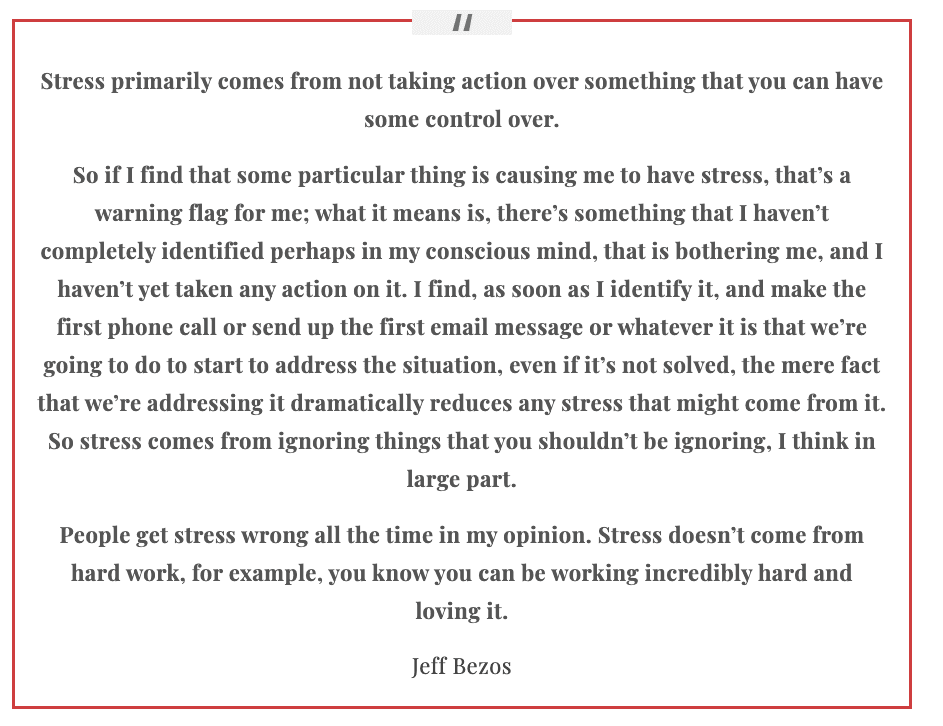
According to WSJ "When it comes to navigating anxiety, facing your fears rather than running away from them—or drugging them into submission—is essential to reclaiming your freedom. Having uncomfortable emotions and sensations is normal. Taking a sedative is about escaping those sensations and emotions, when what we actually need to learn is to accept them."
"Anything that quickly changes how someone feels is going to have abuse liability," says addiction psychiatrist Arthur Robin Williams of Columbia University. The allure of a substance that can help you feel less anxious or lonely in minutes may be powerful, Dr. Williams says, but the immediacy of symptom relief is a huge red flag for risk of dependence: "Over time, that's going to lead to the quickest buildup of tolerance and the worst withdrawal."
Video Games are a Good Test of Mental Acuity

Elon believes video games are a good way to see how sharp you are.
Absurd Health Practices We Thought Were Smart
The history of medicine is filled with practices that, by today's standards, might seem bizarre or even harrowing. These methods were often born from a combination of limited understanding of human physiology, superstition, and a desperate need for cures. Below is a list of some notable historical medical practices that might fit your criteria, along with their time periods:
- Corpse Medicine (16th to 18th century): The use of human mummies, skulls, and other body parts in powders and potions, believed to cure various ailments.
- Plombage (20th century): A tuberculosis treatment involving inserting balls of material like wax, gauze, or rubber into the chest cavity to collapse infected parts of the lungs.
- Cigarette Smoking for Asthma (20th century): Prescribed into the mid-20th century, smoking was believed to open airways and relieve asthma symptoms.
- Tapeworm Diet (19th century - 20th century): Promoted for weight loss, this involved ingesting tapeworm eggs, leading to parasitic infestation.
- Mercury Treatment (up to the 20th century): Used for various diseases, especially syphilis, despite its toxic effects, such as tooth loss, neurological damage, and death.
Looking back on these it's hard not to think they're crazy.
For most of us, getting nutrition, exercise and sleep keeps us from dying prematurely.